

ingredients · 5 min read
Cica, decoded
Centella asiatica, madecassoside, tiger grass: one plant, many names on the label.

What is cica?
Cica is skincare shorthand for centella asiatica, a small, leafy plant that grows in warm, wet places across Asia and beyond. You may also know it as gotu kola, or by its nickname, tiger grass — from the old story that wounded tigers rolled in it.
The name comes from cicatrice, French for scar: a nod to the plant’s long history in traditional medicine.
It has been part of Ayurveda and traditional Chinese medicine for centuries, long before it showed up in serums.
In Korean skincare, centella has become a go-to soothing ingredient. You’ll find it in everything from cleansers and toners to creams, masks and sunscreens — including a few products named after that tiger, like Dr. Jart+ Cicapair Tiger Grass Color Correcting Treatment.
One plant, many names
On an ingredient list, cica can show up in several forms:
- Centella asiatica extract (or leaf extract, or leaf water): the plant itself.
- Madecassoside and asiaticoside: two of its best-known compounds.
- Madecassic acid and asiatic acid: their close relatives, often listed together.
A formula that lists the extract plus all four compounds, like Torriden Balanceful Cica Serum, is giving you the whole family.
Reading the label
Ingredient lists run from the highest concentration to the lowest (anything under about 1% can appear in any order). When centella asiatica extract sits near the top of a short list, the formula is built around it. Mixsoon Centella Asiatica Toner, for example, has just four ingredients: water, butylene glycol, 1,2-hexanediol and centella asiatica extract.
The individual compounds — madecassoside, asiaticoside and their acids — are usually used in small amounts, so don’t worry if they’re further down.
You’ll also see centella asiatica leaf water used in place of plain water in some formulas, so the whole base is made from the plant. And TECA, short for titrated extract of centella asiatica, is a standardized blend of the plant’s key compounds.
What it does in skincare
Cica is there to soothe and calm. It’s what brands reach for when skin looks red, stressed or a little over-exfoliated, and it helps support a healthy-looking skin barrier. It’s gentle enough for most skin types, which is why you’ll find it in everything from toners to sunscreens.
The ingredient to reach for when your skin is having a day.
Think of it as a comfort ingredient rather than a quick fix. It won’t replace a targeted treatment, but it’s a reliable, gentle companion to one.
Good company
Cica often shows up alongside other soothing favourites. If you like it, these are worth knowing:
- Panthenol (vitamin B5): a humectant that helps skin feel soft and comfortable.
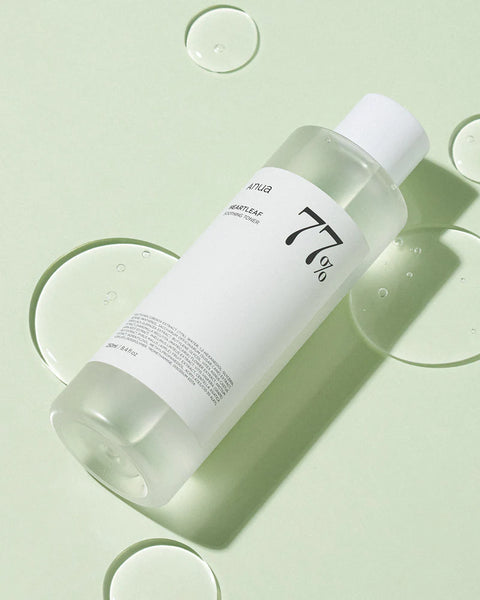
- Heartleaf (houttuynia cordata): the star of Anua’s heartleaf toners.
- Mugwort (artemisia): a traditional Korean calming herb.
- Ceramides: lipids that support the skin barrier.
- Hyaluronic acid: lightweight hydration.
How to use it
There’s no special rule: use cica at whatever step it comes in. A centella toner after cleansing, an ampoule before moisturizer, or a richer cica cream as your last step at night.
A calming night routine
- Cleanse
- Centella toner
- Cica serum
- Cica cream
It pairs well with panthenol, ceramides and hyaluronic acid, and it’s a common partner for stronger actives like retinoids or exfoliating acids. As with any plant extract, patch-test first if your skin is reactive.
A five-minute cica reset
Had a long day, or overdid the exfoliating? Cleanse gently, then soak two cotton pads in a centella toner and rest them on your cheeks for a few minutes, like a quick mask. Pat in what’s left, follow with a cica serum and seal it all in with a cica cream. A centella sheet mask does the same job when you have twenty minutes to spare.
Cica through the seasons
In winter, cold wind and indoor heating leave many people with tight, uncomfortable skin — that’s when a richer cica cream earns its place at night. In summer, heat and sweat call for lighter textures: a cica toner and a gel or serum are often enough, with a centella sunscreen on top.
Cica for your skin type
- Oily or combination: watery toners and light serums, like Torriden Balanceful Cica Serum.
- Dry: a cica serum under a cream, such as Torriden Balanceful Cica Cream or Dr. Jart+ Cicapair Intensive Soothing Repair Cream.
- Sensitive: short ingredient lists, and one new product at a time.
- Everyone: a centella sunscreen, such as SKIN1004 Hyalu-Cica Water-Fit Sun Serum, brings it into your morning.
Who might skip it
Very few people — cica is about as gentle as skincare ingredients get. But any plant extract can irritate someone, so if you’ve reacted to centella before, skip it. And remember that “cica” on the front of a bottle doesn’t tell you how much is inside: the ingredient list does.
Quick answers
Can I use cica with retinol or acids? Yes — it’s one of their most common partners. Introduce the stronger active slowly, and lean on your cica products on the days your skin feels sensitive.
Is cica good for acne-prone skin? Cica isn’t an acne treatment, but its light, soothing formulas fit well into many acne-prone routines alongside whatever you already use.
Is cica the same as centella? Yes. “Cica” is the nickname; centella asiatica is the plant, and madecassoside and asiaticoside are compounds from it.
How long until I notice a difference? Soothing products often feel comfortable right away. For anything else, give a new product a few weeks of steady use.


